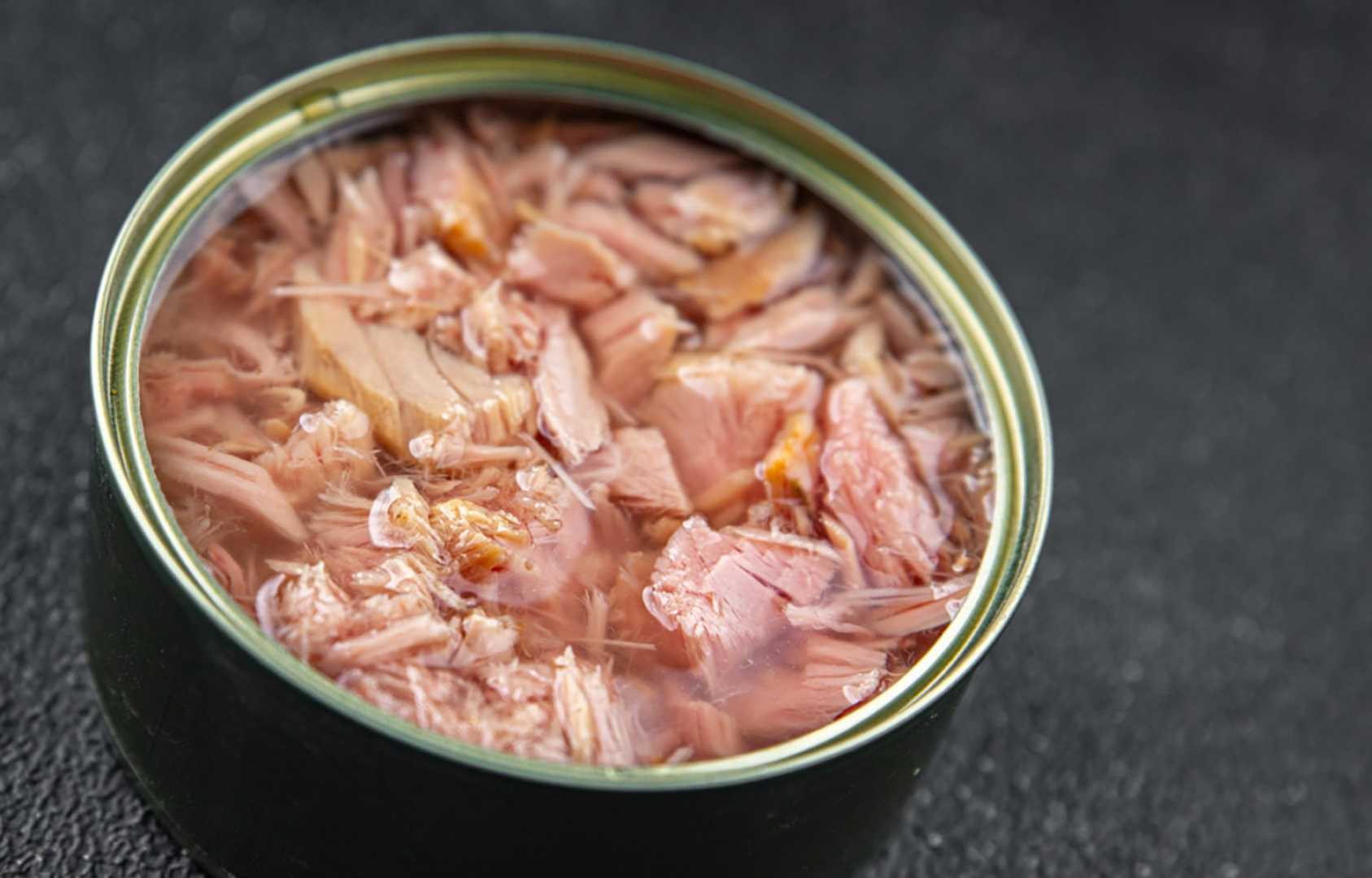
Botulism Risk Canned Tuna Recall: A Comprehensive Guide To Staying Safe - Foodborne illnesses caused by botulism are rare but highly dangerous. When improperly canned or stored, tuna can become a breeding ground for the Clostridium botulinum bacteria, which produces a deadly toxin. This toxin affects the nervous system and can lead to severe health complications if left untreated. In this article, we will delve into the causes of botulism in canned tuna, the recall procedures, and how you can protect yourself and your family from this serious threat. When a batch of canned tuna is suspected of being contaminated with botulism, manufacturers and regulatory agencies initiate a recall procedure. This process involves:
Foodborne illnesses caused by botulism are rare but highly dangerous. When improperly canned or stored, tuna can become a breeding ground for the Clostridium botulinum bacteria, which produces a deadly toxin. This toxin affects the nervous system and can lead to severe health complications if left untreated. In this article, we will delve into the causes of botulism in canned tuna, the recall procedures, and how you can protect yourself and your family from this serious threat.
According to data from the Centers for Disease Control and Prevention (CDC), approximately 20 cases of foodborne botulism are reported in the United States each year. While this number is relatively low, the severity of the illness underscores the importance of prevention.
By staying informed and taking preventive measures, you can significantly reduce the risks associated with botulism contamination in canned tuna. Whether you're a regular consumer of canned tuna or someone who occasionally enjoys this convenient protein source, it's essential to understand the potential dangers and how to avoid them. Let's explore this critical issue in detail.
Botulism risk canned tuna recall has become a significant concern in recent years as food safety continues to be a top priority for consumers worldwide. The potential dangers of botulism contamination in canned tuna and other preserved foods are not only alarming but also life-threatening. Understanding the causes, symptoms, and prevention measures is crucial for anyone who consumes canned tuna regularly.
Several factors can contribute to botulism contamination in canned tuna:
We encourage you to share this article with others and leave a comment below if you have any questions or additional insights. Together, we can promote food safety and prevent the spread of botulism in canned tuna and other preserved foods. Stay safe, stay informed, and enjoy the convenience of canned tuna with peace of mind.
Governments around the world have established strict regulations and standards to ensure the safety of canned foods. In the United States, the Food and Drug Administration (FDA) oversees food safety and sets guidelines for proper canning practices. These regulations include:
If you experience any of these symptoms after consuming canned tuna, seek medical attention immediately. Early treatment with antitoxins can significantly improve outcomes and prevent severe complications.
Botulism poisoning can manifest in several ways, with symptoms ranging from mild to severe. Early recognition of these symptoms is crucial for prompt treatment:
By following these simple steps, you can significantly reduce the risk of botulism contamination in your canned tuna.
Botulism is a rare but severe illness caused by a toxin produced by the Clostridium botulinum bacteria. This toxin attacks the nervous system, leading to muscle paralysis and other serious symptoms. The bacteria thrive in low-oxygen environments, making improperly canned foods, including tuna, a potential risk factor.
Botulism risk canned tuna recall is a serious issue that requires attention from both manufacturers and consumers. By understanding the causes, symptoms, and prevention measures, you can protect yourself and your family from the potential dangers of botulism contamination. Staying informed about recalls and following proper handling and storage practices are essential steps in ensuring the safety of your food.